Top rated gardeners near Dalston Kingsland station: a practical local guide for better gardens
If you are searching for Top rated gardeners near Dalston Kingsland station, you are probably after more than a quick mow and a tidy-up. You want someone who understands compact London gardens, awkward access, busy schedules, and the realities of keeping outdoor space looking decent through wet weeks, windy spells, and the odd heatwave. In Dalston, that matters. A lot.
This guide walks you through how to judge quality, what services usually matter most near the station, how to compare options without getting lost in sales talk, and what to ask before you book. You will also find practical tips for lawns, hedges, planting, and longer-term maintenance, plus a few links to useful service and advice pages if you want to dig deeper.
Let's face it: a good gardener is not just the person with the tidiest van. It is the person who turns up, notices the details, and leaves your space healthier than it was before. That's the standard worth aiming for.
- Why this search matters in Dalston
- How local gardening services usually work
- Benefits of choosing a top-rated team
- Who this is for
- Step-by-step guidance
- Expert tips for stronger results
- Mistakes to avoid
- Tools, resources and recommendations
- Law, compliance and best practice
- Options and comparison table
- Real-world example
- Practical checklist
- Conclusion
- Frequently asked questions
Why Top rated gardeners near Dalston Kingsland station Matters
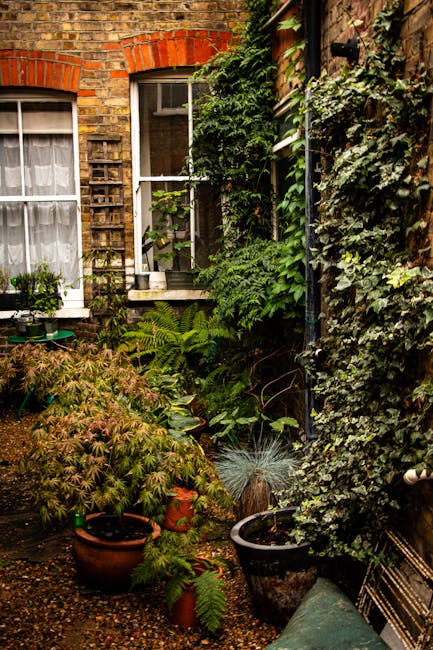
Near Dalston Kingsland station, outdoor space tends to be valuable, visible, and often a bit squeezed. Front gardens are on show. Courtyards can be shaded. Back gardens may need clever layout choices to feel usable rather than just managed. That is exactly why finding the right gardener is not a minor detail. It affects how the space works every single week.
A well-chosen gardener can help you do three things at once: keep the garden under control, improve how it looks, and make it easier to maintain. That combination is especially useful in London, where many households want reliable ongoing maintenance rather than one-off rescue jobs only. If your garden has got away from you, a skilled team can also get it back to a baseline without drama. Not glamorous, maybe, but deeply satisfying.
It also matters because local conditions are specific. Urban gardens near transport links often have compact access, a mix of sun and shade, patio hard landscaping, boundary issues, and patchy soil. A gardener who understands these conditions will make better plant choices, better pruning decisions, and fewer expensive mistakes.
For readers dealing with a garden that needs a broader reset, the right starting point can be a structured clean-up and maintenance plan. If that sounds familiar, the advice in where to begin when turning a neglected garden around is worth a look alongside your search.
How Top rated gardeners near Dalston Kingsland station Works
In practical terms, the best local gardeners usually work through a simple, repeatable process. First comes an assessment of the space. That may be done in person or from photos, depending on the job. Then comes a scope: what needs doing now, what can wait, and what should be maintained regularly.
A good gardener should be able to explain the difference between urgent work and improvement work. For example, lawn edging and weed control may be immediate. Soil improvement, planting design, or hedge reshaping could be part of a longer plan. That distinction is useful because it keeps expectations realistic and helps you budget sensibly.
Typical local work near Dalston Kingsland station often includes:
- regular garden maintenance
- lawn mowing and general lawn care
- hedge trimming and shape control
- weed removal and border tidy-ups
- patio cleaning and outdoor surface care
- small landscaping improvements
- tree surgery or specialist pruning where needed
- fencing repairs and boundary work
Some homes only need seasonal support. Others need a recurring visit every one to four weeks. To be fair, the right frequency depends less on the postcode and more on how fast the garden grows, how much you use it, and whether you want a neat appearance all year round.
If you are exploring specific service lines, it helps to compare them properly. Useful starting points include garden maintenance, lawn care, and hedge trimming. Those pages give a clearer picture of what each service is meant to solve.
Key Benefits and Practical Advantages
Choosing a strong local gardener is about more than appearances. Yes, a tidy garden feels better immediately. But the real value is usually practical, and it shows up over time.
1. Better consistency. A maintained space is easier to keep under control than one that swings between neglect and panic. Regular care prevents the small jobs from becoming big ones.
2. Healthier plants and lawns. Pruning at the right time, controlling weeds, improving soil, and feeding lawns correctly all reduce stress on the garden. That means less yellowing, fewer bare patches, and a better seasonal rhythm.
3. Safer, easier access. Overgrown paths, slippery patios, loose branches, and awkward trip hazards are not just inconvenient. They make the space harder to enjoy. A good gardener notices these things before they become a nuisance.
4. Better use of small spaces. Urban gardens can do a lot when they are planned properly. Vertical planting, containers, compact borders, and layered planting can transform a cramped area into something calm and usable. There is a nice piece on vertical gardening for urban dwellers if you want ideas for tight spaces.
5. Less stress for you. This one is underrated. When a reliable gardener handles the tricky bits, weekends stop being spent wrestling brambles and trying to remember which hedge was supposed to be cut in spring. Small mercy, big impact.
A top-rated gardener should leave you with more than a neat finish. You should feel like the garden is easier to live with, easier to keep, and easier to enjoy next time you step outside.
Who This Is For and When It Makes Sense
This kind of service makes sense for all sorts of people, and honestly the reasons vary more than you might think.
Homeowners with busy routines. If you commute, work long hours, or juggle family life, regular garden care can keep the outdoor space from slipping into the "I'll deal with it next weekend" trap. We have all been there.
Landlords and property managers. A neat garden supports the overall impression of a rental property. It is a simple way to protect presentation between tenancies or during ongoing occupation.
Families. Gardens used by children need practical layouts, low-risk surfaces, and plants that are less likely to cause constant headaches. Some families also want playful planting, seating areas, or simple shade. For that sort of planning, the advice in transforming your garden into a kids' haven and ideas for building a kid-centric garden playground can be very handy.
Pet owners. Dogs and gardens can absolutely work together, but the planting and layout need thought. Paths, durable lawn choices, and non-toxic planting matter. If that is your world, have a look at gardening while accommodating dogs.
Older homeowners or anyone with limited mobility. A garden can be lovely and still be difficult to manage. Reducing maintenance demands, lowering trip risks, and replacing awkward areas with more stable materials can make a huge difference.
If you are not sure whether you need one-off help or a recurring arrangement, the simplest test is this: if the job keeps coming back faster than you can deal with it, it is probably maintenance, not a one-time clean-up.
Step-by-Step Guidance
Here is a sensible way to go from "I need help" to a garden that feels under control again.
- Define the outcome. Do you want a one-off tidy, seasonal pruning, a full refresh, or regular visits? Be specific. "Make it better" is not enough for anyone to quote properly.
- Walk the space with fresh eyes. Note the worst areas first: lawn damage, weeds, hedge size, broken fencing, muddy corners, patio grime, or a border that has clearly lost the plot.
- Separate the urgent from the desirable. A leaning branch, a slippery path, or an overgrown hedge blocking light should go before decorative upgrades. That order saves time and money.
- Gather photos and measurements. Even rough measurements help. Side access, slope, narrow gates, or no outdoor tap are all useful to mention early.
- Ask for a breakdown. A solid quote should make it clear what is included: labour, waste handling if applicable, frequency, and whether follow-up visits are needed.
- Check the practical details. Who brings the tools? What happens if weather interrupts the visit? Can the work be done while you are out? Slightly dull questions, yes. Still worth asking.
- Start with a trial visit if needed. For ongoing work, one first visit can tell you a lot about communication, punctuality, and finish quality.
If you are the sort of person who likes a calmer, more structured first step, the article on gardening for beginners offers a helpful mindset: start simple, stay consistent, and build from there.
Expert Tips for Better Results
Here is where a bit of experience really helps. The best garden results near Dalston Kingsland station usually come from choosing practical improvements, not flashy ones.
Prioritise the root problems. If weeds are constantly returning, the issue may not just be "more weeding." It may be thin mulch, compacted soil, or a planting gap that keeps reopening. Treat the cause, not only the symptom.
Ask about seasonal timing. Hedge cutting, pruning, and planting all have better windows. A sensible gardener will not promise everything at any time of year just to win the job.
Use layered planting where space allows. In small gardens, a mix of low, medium, and taller planting often creates more depth than one flat row of shrubs. If shade is an issue, the right climbers can add life without taking up the ground. You can see the idea developed further in shade-friendly climbers for dormant spaces.
Don't ignore soil. A neat surface can hide poor soil underneath. If the ground is tired, composting and proper feeding matter. There is a useful piece on turning organic waste into rich soil that explains the basic logic well.
Keep an eye on wind exposure. Dalston gardens can be surprisingly exposed depending on layout and height. If your planting is constantly battered, you may need sturdier species, better staking, or sheltering features. The guide on storm-ready gardens is useful here.
Be realistic about lawns. A lawn is not always the best answer. Sometimes a better-behaved ground cover, patio expansion, or container scheme makes more sense. No shame in that. Honestly, less lawn can mean less grief.
Common Mistakes to Avoid
Most disappointing gardening jobs do not go wrong because the gardener is useless. They go wrong because expectations were fuzzy, the budget did not match the work, or the wrong priorities were set from the start.
- Choosing on price alone. The cheapest quote can look appealing until the job is rushed or unfinished. Compare scope, not just numbers.
- Not explaining access issues. Narrow side passages, locked gates, parking restrictions, or no outside tap can all affect the workday.
- Trying to fix everything at once. A full overhaul is possible, but it often works better in stages.
- Ignoring hedge and boundary growth. Hedges can turn from neat to awkward very quickly. If privacy matters, timing and shape matter too. The guide to fast-growing privacy hedges gives a useful sense of what to think about.
- Forgetting that upkeep continues. A tidy garden without maintenance becomes messy again. That is just nature doing its thing.
One small but common issue: people ask for "a quick tidy" when what they really need is a rescue job plus a maintenance plan. Not a disaster, just a mismatch. Better to say it plainly and save everyone the awkwardness later.
Tools, Resources and Recommendations
The right tools matter because they shape the quality and speed of the work. A competent local gardener should usually arrive prepared for the job, not spend half the visit improvising with the wrong kit.
Common tools and resources worth asking about include:
- hedge trimmers and hand shears for clean shaping
- mowers or strimmers for lawn work
- rakes, forks, and spades for clearing and soil work
- pruning tools for roses, shrubs, and light tree work
- barrows or bags for waste handling
- pressure washing or patio cleaning equipment where appropriate
For a quick sense of the kind of kit that separates a tidy, efficient job from a messy one, the article on vital tools for every gardener's arsenal is a neat companion read.
If you are leaning toward a wider refresh rather than maintenance only, consider whether you need related support such as patio cleaning, landscaping, tree surgery, or fencing. These services often come into play when the garden needs more than plant care.
For anyone balancing budget and improvement, the practical ideas in frugal gardening ideas can help you focus on the changes that give the best visual and functional return.
Law, Compliance, Standards, or Best Practice
For gardening work, most of the important compliance points are about safety, responsibility, and reasonable care. You do not need to become a legal expert, but a trustworthy gardener should work in a way that respects the basic standards of the trade.
Health and safety matters when tools, ladders, sharp blades, heavy waste bags, or tree work are involved. If a job includes anything higher-risk, it is reasonable to ask how it will be managed and whether the team has suitable insurance and safety procedures. A clear reference point is a provider's health and safety policy and insurance and safety information.
Waste handling should also be discussed. Green waste may be removed, composted, or left for your own disposal depending on the agreement. That should not be vague. Ask before work starts.
Customer terms matter too. Good practice is to clarify payment timing, cancellation arrangements, access expectations, and complaint handling before the first visit. Those details help avoid friction later. If you want to understand that side of things, pages like terms and conditions, payment and security, and complaints procedure are useful references.
Accessibility and privacy can matter as well, especially if you are managing bookings on behalf of someone else or need clear communication. A straightforward provider should be open about that, not slippery. If you want the full picture, the site's accessibility statement, privacy policy, and cookie policy are there to review.
Best practice, in plain English, means this: be clear, be safe, keep records if needed, and do not be shy about asking how a job will be carried out. That is not being fussy. That is being sensible.
Options, Methods, or Comparison Table
Different kinds of gardening help suit different needs. Here is a quick comparison to make the choice less fuzzy.
| Option | Best for | What it usually includes | Good point | Watch out for |
|---|---|---|---|---|
| One-off tidy-up | Overgrown gardens, move-ins, pre-event prep | Clearing, pruning, weeding, basic lawn work | Fast reset | Needs follow-up if growth is vigorous |
| Regular maintenance | Busy households, rentals, small urban gardens | Scheduled mowing, trimming, weed control, seasonal care | Prevents backsliding | Must be consistent to work well |
| Soft landscaping | People who want better structure or planting flow | Border redesign, planting, soil improvement, layout tweaks | Long-term improvement | Takes more planning and often more budget |
| Specialist work | Hedges, trees, fencing, hard surfaces | Pruning, tree surgery, fence repairs, patio cleaning | Solves technical issues properly | May need more than one skill set |
In many cases, the best outcome comes from mixing methods. A first clear-up, then regular maintenance, and then a few improvements over time. That is often the most realistic path, anyway.
Case Study or Real-World Example
Here is a simple local-style example. A resident near Dalston Kingsland station had a narrow back garden that looked fine in summer and grim by late autumn. The lawn was patchy, the hedge was crowding the fence line, weeds kept returning along the edges, and the patio became a slippery mess after rain.
Rather than trying to "redesign everything," the gardener took a staged approach. First came a full tidy: clearing dead growth, trimming the hedge back to a manageable line, and cleaning the patio. Then the lawn was assessed for thin spots and treated more carefully. A few planting areas were simplified so they needed less attention. Finally, the owner agreed to a regular maintenance visit to keep things stable.
The noticeable change was not dramatic in a magazine sense. It was better than that. The garden became usable again. The owner could step outside without feeling slightly defeated, which, to be honest, is what most people really want.
That kind of result is why the phrase "top rated" should mean dependable, practical, and easy to work with. Not flashy. Just good.
Practical Checklist
Use this checklist before you book.
- Have I defined whether I need one-off help or regular maintenance?
- Have I listed the main problems in order of priority?
- Have I explained access issues, parking, gates, or storage limitations?
- Have I checked whether waste removal is included?
- Have I asked what tools and equipment will be brought?
- Have I confirmed whether the work includes lawn, hedge, patio, or planting tasks?
- Have I reviewed the provider's safety, insurance, and terms information?
- Have I thought about the best season or timing for the work?
- Have I asked how follow-up care will be handled?
- Have I got a clear contact route if something needs changing later?
If you can tick most of those boxes, you are already ahead of the game.
Get a free quote today and see how much you can save.
Conclusion
Finding Top rated gardeners near Dalston Kingsland station is really about choosing a team that respects your space, your time, and the way a London garden actually works. The best providers do not just cut, trim, and leave. They help you create a garden that stays manageable, looks cared for, and fits real life.
Whether you need a first rescue visit, ongoing maintenance, or help with something more specific like hedge trimming, lawn care, or a more ambitious redesign, the smartest move is to start with clarity. Know what you want, ask good questions, and choose the people who answer plainly. Simple enough, but it makes all the difference.
And if your garden has been a bit neglected lately, that is fine. Happens to the best of us. The good news is that a strong first step can change the whole feel of it, often sooner than you think.
Frequently Asked Questions
How do I find the best gardeners near Dalston Kingsland station?
Look for clear service descriptions, realistic quoting, good communication, and evidence that they understand local garden conditions such as shade, access, and compact layouts. The best choice is usually the one that explains what they will do, not the one that just sounds impressive.
What services should a top-rated local gardener offer?
Most people near Dalston Kingsland station need a mix of garden maintenance, lawn mowing, hedge trimming, weed control, patio cleaning, planting help, and sometimes landscaping or tree work. A strong gardener should be flexible enough to handle both routine and problem-solving jobs.
Is it better to book one-off garden clearance or regular maintenance?
If the garden is overgrown or has not been touched for a while, start with a one-off clearance. If the space gets messy again quickly, regular maintenance is usually better value and less stressful in the long run.
How often should a garden near Dalston Kingsland station be maintained?
That depends on plant growth, how much you use the space, and the style of garden. Some need weekly or fortnightly attention in peak season, while others are fine with monthly visits. A gardener should be able to suggest a sensible rhythm after seeing the site.
What should I ask before hiring a gardener?
Ask what is included, whether waste removal is part of the job, what equipment they bring, how they handle weather delays, and whether they have insurance and safety procedures. Clear answers early on usually mean fewer surprises later.
Do top-rated gardeners help with small urban gardens?
Yes, and that is often where experience matters most. Small gardens need smart planting, careful pruning, and a practical approach to layout. A good gardener can make a compact outdoor space feel much larger and easier to use.
Can a gardener help if my lawn is full of weeds or ivy?
Absolutely. Lawn care often includes weed control, moss reduction, edging, and repair work. If ivy is taking over, it may need a more targeted approach. For that kind of issue, the guide on ivy removal from lawns is especially useful.
What if my garden is mainly patio and containers, not planting beds?
That still counts. Patio cleaning, container planting, and tidy hard-landscaping care can make a big difference. Many London gardens rely on this kind of setup, especially where ground space is limited.
Are gardeners able to help with hedges and boundary screening?
Yes. Hedge trimming is one of the most common requests, and it is often tied to privacy, light, and overall garden shape. If the hedge is large or awkward, it may need a more specialist approach than a basic tidy.
How do I know if I need landscaping rather than maintenance?
If the problem is mainly tidiness, maintenance is probably enough. If the layout feels wrong, the space drains badly, the planting is ineffective, or the garden needs structural changes, landscaping may be the better option.
What are the signs of a reliable gardening service?
Look for punctuality, clear communication, sensible recommendations, clean workmanship, and a willingness to explain the process. A reliable service should feel calm and organised, not rushed and vague.
Can I combine several services in one visit?
Usually, yes. Many clients combine mowing, hedge trimming, weeding, and patio cleaning in a single appointment if the scope is agreed in advance. Combining tasks can be efficient, but it should still be planned properly.
Where can I check service details before booking?
It helps to review service pages and policy pages before you book. Useful starting points include gardening services, about us, and pricing and quotes.