Health and Safety Policy for Gardeners Shacklewell
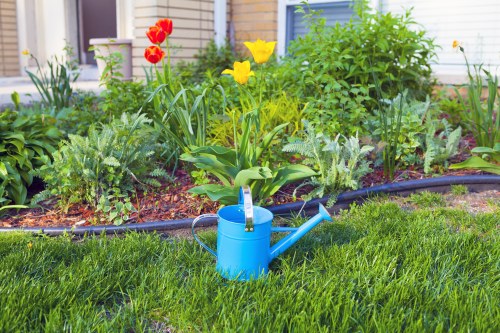 A clear health and safety policy is essential for every gardening service, helping protect staff, clients, visitors, and the wider public. For Gardeners Shacklewell, this policy sets out the practical standards that support safe, careful, and responsible work across all garden maintenance tasks. Whether the job involves planting, pruning, mowing, hedge cutting, or seasonal clearance, safety must always be part of the work plan. This policy is designed to promote safe habits, reduce risk, and ensure that every task is carried out with professional care and proper attention to detail.
Purpose and Commitment
Our approach to gardening safety is based on prevention, awareness, and responsibility. We aim to identify hazards before work begins and to take sensible steps to control them. All personnel are expected to follow safe working methods, use equipment correctly, and report concerns without delay. The policy applies to all gardening operations, including routine maintenance, one-off projects, and specialist outdoor tasks. It also supports the safe use of tools, movement around work areas, and the handling of materials that may create physical or environmental risks.
Key Responsibilities
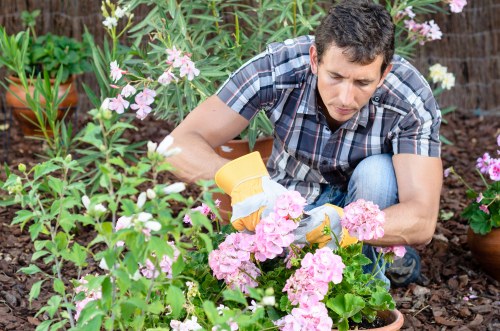 Every member of the team has a role in maintaining safe conditions. Managers and supervisors are responsible for planning work safely, providing suitable instruction, and ensuring that equipment is fit for use. Garden staff must take reasonable care of their own safety and that of others who may be affected by their actions. Clients are asked to help by giving accurate information about site conditions, accessing areas safely, and keeping pets, children, and obstacles away from active work zones. A shared commitment to safe practice helps make garden maintenance safety more effective and reliable.
Risk Assessment and Safe Planning
Before work starts, a suitable risk assessment should be completed for the task and location. This includes checking for slippery surfaces, uneven ground, sharp objects, overhead obstructions, traffic movement, hidden cables, and unstable structures. The assessment also considers weather conditions, task duration, and the physical demands of the job. If conditions change during the work, the plan should be reviewed and adjusted. Careful planning supports safer outcomes and helps reduce unnecessary interruptions.
Safe planning also means selecting the correct tools for the job and ensuring that all equipment is inspected before use. Machines, hand tools, extension leads, and protective items should be checked for damage, wear, or faults. Any item that appears unsafe must be removed from service until it has been repaired or replaced. By keeping equipment in good condition, gardeners in Shacklewell can carry out work more confidently and with lower risk.
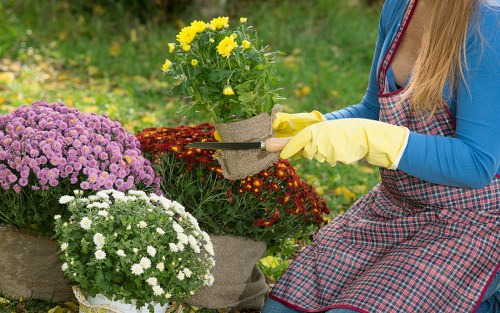
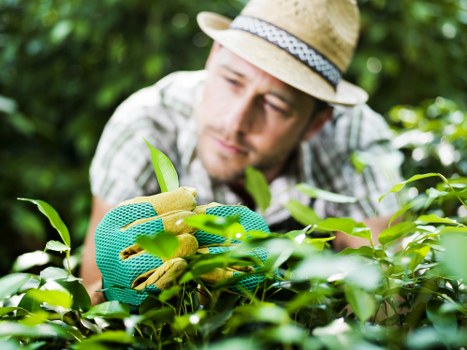 Personal protective equipment, or PPE, is used when needed to reduce exposure to common gardening hazards. This may include gloves, safety glasses, hearing protection, sturdy footwear, high-visibility clothing, or weather-appropriate layers. PPE should be chosen according to the task, maintained in good condition, and worn properly. It is not a substitute for safe working methods, but it provides important additional protection when risks cannot be fully removed.
Tools, Machinery, and Manual Handling
Gardening often involves lifting, carrying, bending, pushing, and repetitive movement. To reduce the chance of strain or injury, loads should be assessed before being moved, and heavier items should be handled with assistance or mechanical support where possible. Staff should use correct lifting techniques and avoid awkward postures whenever practical. This is especially important when moving soil bags, waste containers, paving materials, or larger plant stock. Good manual handling practice supports long-term wellbeing and helps prevent avoidable incidents.
Machines such as mowers, strimmers, blowers, and hedge cutters must be operated only by trained and authorised personnel. Guards and safety features must never be removed or bypassed. Refuelling should take place in safe conditions, away from ignition sources, and any spills should be dealt with promptly and carefully. Cutting blades and sharp edges should be treated with caution at all times. These controls help maintain a safer working environment for garden care professionals and for anyone nearby.
Site Safety and Environmental Awareness
Work areas should be kept as tidy as possible throughout the day. Tools should not be left in walkways, debris should be cleared regularly, and waste should be stacked or removed in a controlled way. Particular care must be taken when working near roads, entrances, shared paths, or other areas where people may pass unexpectedly. Clear communication between workers is important, especially when using noisy equipment or operating in confined spaces. Where needed, barriers or signs should be used to help manage access.
Environmental safety is also part of our wider responsibility. Products such as fuels, oils, and treatments should be stored and used carefully to avoid contamination or accidental release. Green waste, recyclable material, and general waste should be separated appropriately where possible. When applying any garden treatment, instructions must be followed and the surrounding area protected from unnecessary exposure. This careful approach supports both safe working and responsible service delivery.
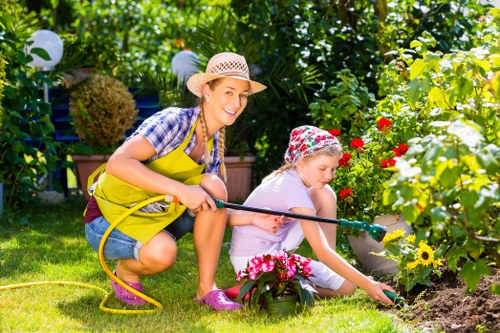 Emergency readiness is another important part of this policy. First aid supplies should be available, and team members should know what to do if an injury, spill, fire, or other urgent issue occurs. Any incident, near miss, or unsafe condition must be reported and recorded so that lessons can be learned and future risk reduced. Prompt action and clear reporting are central to continuous improvement and safe operations.
 Training, supervision, and regular review help keep this policy effective. Staff should receive instruction that is appropriate to their duties and refreshed when new risks, tools, or methods are introduced. Supervisors should monitor working practices, correct unsafe behaviour, and encourage a culture where safety is valued every day. This includes maintaining awareness of changing weather, seasonal hazards, and the different requirements of each garden space.
At Gardeners Shacklewell, health and safety is not treated as a separate task but as an essential part of quality workmanship. By combining careful planning, suitable equipment, responsible behaviour, and ongoing awareness, we create safer conditions for everyone involved. This policy reflects our commitment to dependable service, professional standards, and the protection of people, property, and surroundings. All gardening work should be completed with careful attention to safety, ensuring that every project is managed in a way that is practical, efficient, and secure.