Tree Lopping and Removal in Shacklewell
Tree lopping and removal in Shacklewell is an essential service for homeowners, landlords, property managers, and local businesses who want to keep outdoor spaces safe, attractive, and manageable. In a busy part of London like Shacklewell, trees add character, privacy, and greenery, but they can also become overgrown, damaged, diseased, or dangerous if not maintained properly. That is why professional tree lopping and removal matters: it helps protect people, property, and the health of the surrounding landscape.
Whether you are dealing with a leaning tree, heavy branches overhanging a roof, a stump left behind after storm damage, or a tree blocking light to your garden, the right approach can make a major difference. Tree lopping and removal in Shacklewell should always be carried out carefully, with attention to safety, local conditions, and the long-term appearance of the property. For many sites, selective pruning is enough; for others, full removal becomes the best solution.
Shacklewell’s mix of residential streets, older buildings, compact gardens, and shared boundaries means tree work often requires a thoughtful, precise method. Tree lopping and removal in Shacklewell is not just about cutting branches or taking a tree down quickly. It is about making informed decisions, following safe practices, and choosing the most suitable outcome for the location.
Why Tree Lopping and Removal in Shacklewell Matters
As trees grow, their branches can spread far beyond the original planting area. In an urban setting, that can create several issues. Branches may interfere with windows, gutters, fences, pathways, and overhead lines. Roots can lift paving, affect drainage, and put pressure on nearby structures. When these problems develop, tree lopping and removal in Shacklewell becomes a practical way to reduce risk and restore balance to the property.
It is also important to remember that trees can change quickly after severe weather. Strong winds, heavy rain, and prolonged dry periods can weaken limbs or destabilise the root system. In these situations, a prompt and professional response is vital. A damaged tree may appear stable at first glance, but hidden cracks or root failure can create serious hazards over time.
For local residents, tree lopping and removal services help maintain safe access to gardens, driveways, and communal areas. For businesses, they support a neat and welcoming exterior. And for landlords or managing agents, regular maintenance can reduce the likelihood of complaints, damage claims, or emergency callouts. Tree lopping and removal in Shacklewell is therefore both a safety measure and a property-care investment.
Understanding the Difference Between Tree Lopping, Pruning, and Removal
The term tree lopping is often used broadly, but it is helpful to understand the difference between lopping, pruning, crown reduction, and full removal. Not every tree issue calls for removal. In many cases, selective pruning can solve the problem while keeping the tree healthy and visually appealing.
Pruning usually means removing dead, damaged, or overcrowded branches to improve growth and structure. Crown reduction is used to reduce the overall height or spread of the canopy in a controlled way. Tree removal, by contrast, means taking the entire tree down when it is unsafe, diseased beyond recovery, poorly positioned, or no longer suitable for the space.
In Shacklewell, the right choice depends on factors such as tree species, age, condition, location, and the surrounding environment. A mature tree close to a terraced house may need careful crown work, while a dead or storm-damaged tree in a narrow rear garden may require complete removal. Knowing which service is appropriate is key to achieving a safe and attractive result.
When Tree Removal Becomes the Best Option

Tree removal in Shacklewell may be the right solution in several situations. A tree might be dead, dying, or infected with a disease that cannot be effectively treated. It may have structural defects such as a split trunk, extensive decay, or severe leaning caused by root instability. In other cases, a tree can become too large for the space, creating recurring maintenance issues and potential damage to property.
Another common reason for tree lopping and removal in Shacklewell is construction or landscaping work. Sometimes a tree stands in the way of a planned extension, patio, access route, or garden redesign. While preserving healthy trees is often preferred, removal can be necessary when the tree creates a clear conflict with essential works or safety requirements.
There are also cases where a tree is not technically dangerous, but it causes persistent nuisance. Excessive shading, leaf drop, blocked drainage, or branches interfering with neighbouring properties can all justify action. In such cases, a professional assessment can determine whether pruning will resolve the issue or whether full removal is the more effective and economical choice.
Safety First: Why Professional Tree Lopping and Removal Is Essential
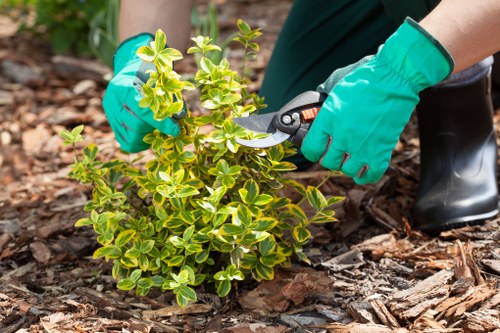
Tree work can be hazardous. Large limbs are heavy, unpredictable, and difficult to control without the right training and equipment. Working at height, handling chainsaws, managing falling debris, and operating cutting tools all require experience. That is why tree lopping and removal in Shacklewell should be approached as a specialist job rather than a simple DIY task.
Professional tree specialists follow safe working methods that reduce the chance of injury or property damage. They assess the tree from different angles, identify hazards, plan the direction of cuts, and use suitable rigging or lowering techniques where needed. On constrained urban sites, this level of control is especially important because there is often limited space for falling branches or machinery access.
Tree removal may also involve hidden risks below ground. Roots can tangle with utility lines, drainage systems, or foundations. A trained team will consider these factors before any work begins, helping to avoid costly mistakes. Choosing a professional service is the safest and most reliable way to manage tree lopping and removal in Shacklewell.
Common Signs Your Tree Needs Attention

Homeowners and property managers in Shacklewell often notice early warning signs before a tree becomes a serious problem. Recognising these signs can help you act quickly and prevent escalation. If you spot any of the following, it may be time to arrange an inspection:
- Dead, brittle, or leafless branches during the growing season
- Cracks in the trunk or major limbs
- Visible fungal growth, decay, or cavities
- Branches rubbing against buildings, roofs, or cables
- Excessive leaning or recent movement in the root zone
- Repeated branch drop after windy weather
- Overcrowded growth that blocks light or restricts access
These symptoms do not always mean a tree must be removed immediately, but they do indicate that professional attention is needed. In many cases, targeted tree lopping or reduction may solve the issue. In others, removal is the safer long-term choice. Either way, early intervention usually leads to better outcomes and lower overall disruption.
The Tree Lopping and Removal Process in Shacklewell
Every property is different, but most tree lopping and removal jobs follow a similar process. It begins with an assessment of the tree’s condition, location, and surroundings. The team considers access, height, spread, nearby structures, and any signs of disease or instability. This stage is vital because it determines whether pruning, lopping, crown reduction, or full removal is most suitable.
Once the plan is agreed, the team prepares the site. This can include protecting surfaces, arranging equipment, checking escape routes, and making sure debris can be handled safely. If the tree is large or difficult to reach, it may be dismantled in sections rather than felled in one piece. This controlled method is especially common in Shacklewell, where space is often limited and neighbouring properties are close by.
After the main work is complete, branches and trunk sections are removed from the site. Many services also offer stump grinding or stump removal, which helps prevent regrowth and leaves the area ready for replanting, turfing, or other landscaping. A proper finish matters, because the aim is not only to remove the tree but to leave the property neat, usable, and safe.
Benefits of Choosing Professional Tree Lopping and Removal in Shacklewell
There are many practical benefits to using a specialist service rather than attempting tree work without expert help. First and foremost, professional work improves safety. Trees are complex living structures, and cutting them incorrectly can make them unstable or cause unpredictable failures. A trained arborist understands how to make controlled cuts that reduce risk.
Another benefit is improved appearance. Poorly cut trees can look awkward, unbalanced, or stressed. By contrast, properly managed pruning or crown work can enhance the shape of the tree and improve the look of the whole property. In areas where curb appeal matters, this can make a noticeable difference.
There is also the advantage of efficiency. Professional teams have the tools and experience to complete tree lopping and removal in Shacklewell quickly and effectively. That means less disruption for residents, neighbours, and passers-by. Efficient work, safer methods, and a cleaner finish are all reasons many people choose expert help for tree care.
How Tree Lopping and Removal Supports Local Property Maintenance
Tree lopping and removal in Shacklewell plays a major role in general property maintenance. Trees that are left unchecked can affect guttering, rooflines, boundary walls, paving, and even internal light levels. Over time, this can make homes feel darker, more cramped, and harder to maintain. Regular tree management helps prevent those issues from building up.
For landlords and letting agents, tree work can also be part of keeping a property safe for tenants. Overhanging branches and unstable limbs create avoidable hazards, especially in shared access areas or communal gardens. Addressing these issues in good time helps protect people and reduces the likelihood of complaints or emergency repair costs.
Shacklewell properties often benefit from a balanced approach. That means preserving healthy trees where possible while removing those that are unsafe or unsuitable. This approach supports both appearance and practicality, making tree lopping and removal a smart part of long-term maintenance planning.
What to Expect from a Responsible Service
A responsible provider will assess the condition of the tree, explain the options clearly, and recommend the most suitable course of action. They should also work in a way that protects surrounding plants, buildings, and surfaces as much as possible. Clean-up is another important part of the job, because debris left behind can create hazards and reduce the overall quality of the result.
It is also sensible to choose a service that considers sustainability. In some cases, wood from removed trees can be reused, chipped, or recycled. Replanting may also be an option once the site has been cleared. These practical choices help ensure tree lopping and removal in Shacklewell is handled with care and responsibility.
Tree Lopping and Removal in Shacklewell for Different Types of Properties
Shacklewell includes a wide range of property types, from period homes and narrow terraces to flats, shared courtyards, commercial units, and newer developments. Each setting presents different challenges. In a small back garden, access may be limited and branches may need to be removed carefully in sections. In a commercial setting, work may need to be scheduled to minimise disruption to staff and customers.
Older properties may have fragile boundary walls, tighter access routes, or mature trees that have not been maintained for years. In these cases, precision matters even more. A methodical approach helps protect the building fabric while achieving the required result. For modern developments, the priority may be preserving light, tidiness, and safe circulation around communal spaces.
No matter the property type, the goal remains the same: safe, efficient, and appropriate tree lopping and removal in Shacklewell. The best outcome is one that suits the space, supports safety, and leaves the area looking well cared for.
Legal and Environmental Considerations
Before any tree lopping or removal takes place, it is important to check whether the tree is protected or subject to local restrictions. Some trees may have a Tree Preservation Order, or they may be located within a conservation area. In such cases, permission may be required before major work can proceed. A professional service will usually help identify these issues as part of the initial assessment.
Environmental considerations are also relevant. Trees contribute to biodiversity, shade, and air quality, so removal should always be justified carefully. Wherever possible, retention, pruning, or reduction may be preferable to full removal. Still, when a tree is unsafe, diseased, or causing significant conflict with the site, action is often necessary.
Responsible tree lopping and removal in Shacklewell balances safety with environmental care. That means making informed decisions, preserving healthy trees where possible, and replacing lost greenery when appropriate. This balanced perspective helps protect the local environment while addressing practical concerns.
Choosing the Right Time for Tree Work
Timing can influence both the outcome and the ease of tree lopping and removal. Some trees are best pruned during dormant periods, while others may require work after flowering or fruiting. Emergency removal, of course, can happen at any time when safety is at risk. In Shacklewell, seasonal weather patterns can also affect scheduling, especially after storms or during periods of rapid growth.
Winter can be a useful time for some types of work because the structure of the tree is easier to see once leaves have fallen. Spring and summer may be more suitable for shaping, managing light, and dealing with heavy regrowth. The right timing depends on the species, the goal of the work, and the condition of the tree.
Acting early is often better than waiting until the tree becomes a bigger problem. If a branch is already failing or a root system looks compromised, delaying action can increase costs and danger. Tree lopping and removal in Shacklewell is most effective when it is planned before the situation becomes urgent.
Why Local Knowledge Makes a Difference
Local knowledge matters in tree work because every area has its own property layouts, access issues, and tree species. In Shacklewell, narrow roads, close boundaries, and limited garden space often influence how a job should be carried out. A team familiar with these conditions can plan more effectively and minimise disruption.
Local expertise also helps with practical decision-making. A knowledgeable specialist can recognise common species, understand their growth patterns, and spot signs of decay or instability. That means better recommendations and more suitable solutions. Whether the task is light pruning or full tree removal, local understanding supports better results.
For residents searching for dependable tree lopping and removal in Shacklewell, choosing a service with experience in the area often leads to smoother planning and safer execution. It also helps ensure the work is tailored to the real conditions of the site rather than handled as a one-size-fits-all task.
Aftercare: What Happens Once the Tree Is Removed or Reduced?
After tree lopping or removal, attention turns to the condition of the site. If the work has involved a full removal, the stump may be ground down to prevent regrowth and create a level area. If the tree has been reduced, the canopy should be checked for balance and any remaining hazards. Good aftercare ensures the work continues to benefit the property over time.
In some cases, the space left behind can be repurposed for planting, lawn expansion, seating, or improved access. This is often an opportunity to rethink how the garden or outdoor area functions. A cleared area may also allow more natural light to reach nearby rooms, which is a common benefit after the removal of a dense or overgrown tree.
Aftercare can also include monitoring nearby plants and structures. Once a heavy tree has been removed, conditions around the site may change slightly due to increased light, airflow, and exposure. These changes are usually positive, but they should still be observed so the property continues to develop well.
Practical Next Steps for Property Owners
If you suspect a tree on your property is becoming unsafe, overly large, or unsuitable for the space, the best next step is to arrange a professional assessment. This helps determine whether tree lopping, crown reduction, or full removal is the right solution. Clear advice at the start can save time, reduce stress, and prevent damage later on.
Contact us today to discuss tree lopping and removal in Shacklewell, or book your service now if you need prompt help with an overgrown, damaged, or hazardous tree. Taking action early is usually the most cost-effective and safest choice.
Conclusion
Tree lopping and removal in Shacklewell is about much more than cutting back branches or clearing space. It is a careful process that supports safety, property care, and the long-term appearance of homes and businesses across the area. From managing overgrown canopies to removing dangerous or diseased trees, the right approach can prevent problems and improve the usability of outdoor spaces.
With the right expertise, tree work becomes a straightforward and effective solution rather than a stressful one. Whether you need selective pruning, crown reduction, stump removal, or complete tree removal, a professional service can help you choose the safest and most suitable path forward. In a place like Shacklewell, where space is valuable and property boundaries are often close together, that level of care is especially important.
If you are dealing with a tree issue on your property, do not wait until the damage gets worse. Tree lopping and removal in Shacklewell can restore safety, improve light, and make your outdoor area far more manageable. Book your service now and take the next step toward a safer, tidier, and better-maintained property.