Shacklewell hedge trimming common mistakes and costs
If you are trying to make sense of Shacklewell hedge trimming common mistakes and costs, you are probably standing in that familiar garden moment: the hedge looks a bit wild, the light is poor, the branches are doing their own thing, and you want to know whether to tackle it yourself or call someone in. Fair enough. Hedge trimming sounds simple until you are halfway through with a blunt tool and a patchy finish.
This guide breaks down what hedge trimming involves, where people usually go wrong, what affects the price, and how to get a cleaner result for less stress. We will keep it practical, local to normal London garden realities, and focused on the decisions that actually matter. No fluff. Just useful detail you can act on.
Why Shacklewell hedge trimming common mistakes and costs Matters
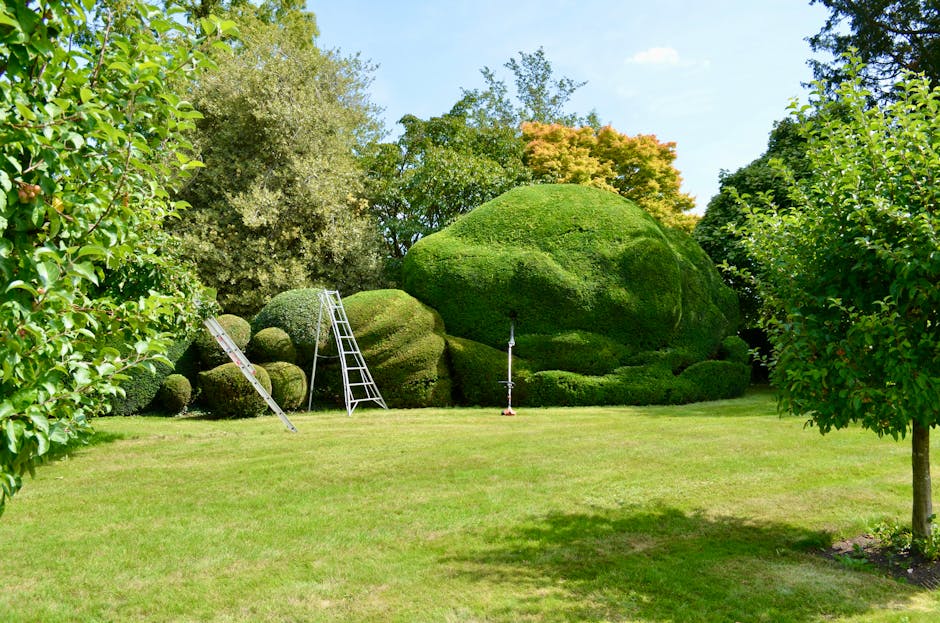
Hedges do a lot of quiet work in a Shacklewell garden. They create privacy, soften fences, reduce street noise a little, and make a front or back garden feel looked after rather than forgotten. But hedge trimming is one of those jobs where small errors add up quickly. Cut too hard and the hedge can look thin for months. Leave it too long and you end up paying more because the job takes longer and the waste multiplies.
The cost side matters just as much as the cutting side. A tidy, well-shaped hedge is usually cheaper to maintain than one that has been left to run wild for a season or two. In other words, the bill is often shaped by what happened before the gardener arrived. That is where a lot of people get caught out.
There is also a bigger point here. A hedge that is trimmed badly can recover slowly, especially if the species is slow-growing or if the cut goes back into old woody stems. That is why experienced gardeners think in terms of shape, season, plant type, and future growth, not just "make it shorter."
Professional hedge trimming services are often the simplest route if you want an even finish and less guesswork, while regular garden maintenance can stop costs creeping up in the first place.
How Shacklewell hedge trimming common mistakes and costs Works
At its core, hedge trimming is about removing current-season growth, shaping the hedge, and keeping it healthy enough to respond well next time. Sounds straightforward, but the practical side is a bit more layered. A good trim depends on the hedge type, the time of year, access, height, thickness, and how much waste needs clearing afterwards.
For most domestic hedges, the work starts with a visual check. Is the hedge even? Is it overhanging a pavement, driveway, fence line, or neighbour's boundary? Is there obvious deadwood? Are birds nesting? Are there hidden issues like broken stems or poor light on one side? Those details affect both the method and the final cost.
The price usually reflects several things:
- Length and height of the hedge - taller and longer hedges need more time, more equipment, and more care.
- Thickness and neglect - a hedge that has not been cut for a year or two takes longer than one kept on a regular schedule.
- Access - difficult rear gardens, narrow side passages, or awkward slopes can increase labour time.
- Waste volume - heavy clippings may need collection and removal, which can add to the total.
- Specialist equipment - some hedges need higher reach tools, ladders, or more precise hand cutting.
- Seasonal timing - during peak growth, hedges can require more frequent attention.
It is worth saying, too, that not every hedge should be cut in exactly the same way. Conifers, laurel, privet, beech, hawthorn, and yew all behave differently. A good trim on one can be a poor decision on another. That is where the skill lies, really.
Key Benefits and Practical Advantages
When hedge trimming is done properly, the payoff is bigger than most people expect. Yes, the garden looks better. But there is more going on than that.
- Better shape and density: A balanced cut encourages fuller growth, which helps the hedge stay thick rather than sparse at the base.
- Lower long-term costs: Regular trimming is usually easier and cheaper than rescuing an overgrown hedge.
- Improved light and space: A trimmed hedge can stop swallowing a patio, pathway, or small lawn.
- Cleaner boundaries: Good trimming keeps growth from spilling over fences, walls, and neighbour lines.
- Safer access: Less overgrowth means fewer scratches, trip hazards, or blocked sightlines.
- Better property presentation: A neat hedge makes the whole garden feel more cared for, even if everything else is still a work in progress.
There is a nice knock-on effect here: once the hedge is under control, the rest of the garden tends to look less chaotic too. It is a bit like sorting one messy shelf and suddenly noticing the room feels calmer. Funny how that works.
If the hedge trim is part of a broader tidy-up, it can sit nicely alongside garden clearance or even broader gardening support when the whole space needs a reset.
Who This Is For and When It Makes Sense
This topic matters for a few different types of people. You might be a homeowner who wants the hedge to look neat without spending more than necessary. You might be a landlord who needs the boundary kept presentable between tenancies. Or you could simply be looking at a hedge that has had a good growth spurt and thinking, "Right, that's enough now."
Hedge trimming makes sense when:
- the hedge has started to block paths, windows, or driveways;
- the shape is lopsided or patchy;
- you can see fresh growth spilling into the wrong areas;
- you want to keep annual or seasonal maintenance costs under control;
- the hedge has become too tall for safe DIY cutting;
- you need a cleaner finish before selling, letting, or hosting an event.
It is also a smart move before larger jobs like fencing work or landscaping improvements, because an overgrown hedge can make it harder to see what the garden actually needs.
Truth be told, some people wait until the hedge has become a drama. That is when the costs rise. If you are starting to think about trimming now, that is usually the right time.
Step-by-Step Guidance
Here is a sensible, real-world way to approach hedge trimming without turning it into a weekend disaster.
- Identify the hedge type. Knowing whether you are dealing with privet, laurel, yew, beech, or conifer changes the trimming approach. If you are not sure, take your time and observe the leaves, growth pattern, and thickness.
- Check the season and the plant condition. Avoid cutting too hard at the wrong time of year. Some hedges tolerate frequent shaping; others prefer a lighter touch. If nesting birds are present, stop and reassess. That is one of those moments where patience matters more than speed.
- Decide the finish you want. Straight formal lines suit some gardens; a softer shape works better elsewhere. A hedge should usually be slightly wider at the bottom than the top so lower growth gets enough light.
- Measure the access and height. If ladders, steps, or awkward angles are involved, the job becomes slower and riskier. That affects both DIY effort and quoted cost.
- Clear the base first. Remove pots, toys, hoses, ornaments, and anything else that could be damaged or get in the way. It saves time and avoids silly accidents.
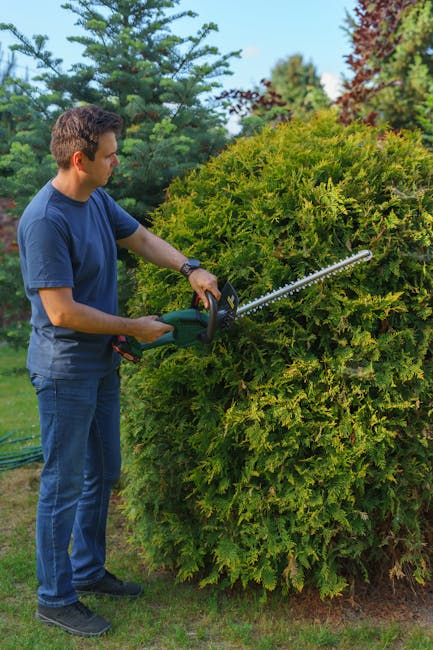
- Trim in stages. Start with the face, then the top, then finish the edges and awkward bits by hand. Rushing the top first usually leads to a wobble, and nobody wants that obvious wave line down the front.
- Step back often. Every few minutes, stand back and check the shape from a distance. Up close, everything can look fine. Ten feet back is where the truth appears.
- Deal with waste properly. Hedge clippings can be heavy and bulky. Bagging, composting, or arranging removal should be part of the plan, not an afterthought.
- Inspect the result. Look for missed stems, torn growth, or anything that will cause an uneven flush of new shoots later.
If the hedge is large or the boundary is tight, it can make sense to combine the job with tree surgery support or tree lopping and removal where branches are mixed into the hedge line. Not always needed, but sometimes it saves a lot of back-and-forth.
Expert Tips for Better Results
Small decisions make a big difference with hedge trimming. Here are the habits that tend to produce the best finish and the fairest cost.
- Trim little and often. This usually keeps shape better than waiting for a massive annual cut.
- Keep the hedge wider at the base. It sounds simple, but it helps the lower growth stay healthy.
- Use clean, sharp tools. Ragged cuts can stress the plant and leave the hedge looking shredded rather than neat.
- Work with the hedge's natural line. Not every hedge wants a perfect geometric finish. Sometimes a gentle correction looks better and ages better.
- Leave recovery space. Don't cut back so far that the hedge has nowhere to regrow from.
- Plan waste removal early. If clippings are piling up, the job feels bigger and messier than it needs to.
- Ask for the quote to include the practical bits. A cheap headline figure can become less cheap once access, waste, and clean-up are added.
A good tip from everyday experience: if you are trimming before a weekend barbecue or family visit, do it a day or two early. Fresh cut foliage has that slightly green, sharp smell, and it is much nicer when the mess has already been swept away. Small thing, but it helps.
For ongoing upkeep, some homeowners pair hedge work with lawn mowing or lawn care so the whole garden looks even rather than half-finished.
Common Mistakes to Avoid
This is the section that saves people the most money. If you can avoid these mistakes, you will usually get better results and fewer regrets.
1. Cutting too much at once
One of the most common mistakes is taking back too much growth in one go. It can leave the hedge looking bare, stressed, or uneven. Worse, it may not recover well in certain species. People often think "harder cut, better result." Not always. Sometimes softer is smarter.
2. Trimming at the wrong time
Seasonal timing matters more than many DIY guides admit. Trim at the wrong stage and you may interfere with flowering, nesting, or healthy regrowth. If you are not sure about the species, a cautious approach is usually safer.
3. Making the top narrower than the base
This one looks fine for about five minutes, then becomes a problem. A narrow top can shade the lower branches, which leads to bare patches. Once the bottom goes thin, you have a long wait before it fills out again.
4. Using blunt or unsuitable tools
Blunt blades tear rather than cut. That leaves the hedge ragged and can make the whole job feel harder than it should. It is the gardening equivalent of trying to spread butter with a fork. Possible, yes. Sensible, not really.
5. Forgetting about waste
People focus on the cut and ignore the clippings. Then the piles appear, the bags are not enough, and the garden is left looking worse than before. Waste collection is part of the job, not a separate bonus round.
6. Ignoring neighbours and boundaries
Overhanging hedges can create awkward conversations. If a hedge sits near a boundary fence, it is worth checking ownership and access before you cut. A tidy finish is nice, but a tidy finish plus good neighbour relations is better.
7. Choosing the cheapest quote without checking what is included
A low number can look tempting. But does it include waste removal, access time, shaping, and tidy-up? If not, the final bill may rise. A fair price is more useful than a cheap estimate with lots of little extras tacked on later.
Tools, Resources and Recommendations
You do not need every gadget in the shed to trim a hedge well, but the right kit matters. For smaller jobs, hand shears may be enough. For medium hedges, electric or battery trimmers can speed things up. For tall or dense hedges, access equipment and proper safety planning become much more important.
Useful practical items include:
- hedge shears or trimmers suited to the hedge size;
- gloves with a decent grip;
- eye protection;
- sturdy footwear;
- tarpaulin or sheet for catching clippings;
- bags or bins for green waste;
- step ladder or platform only where safe and appropriate;
- secateurs for finishing small stubborn stems.
For homeowners who want a proper tidy-up rather than a quick shape, it can also help to combine trimming with garden clearance or patio cleaning. That way the hedge does not look smart while everything beneath it still looks tired.
If you are getting a professional quote, the most useful thing you can do is describe the hedge honestly: height, length, access, condition, and whether waste needs removing. That saves time on both sides.
Law, Compliance, Standards, or Best Practice
For hedge trimming in a residential setting, the most important standards are usually practical rather than technical: safe working, respect for property boundaries, and care for wildlife. If nesting birds are present, work should be paused or adjusted. That is not just good manners; it is sensible and widely expected practice in the UK.
Health and safety also matters more than people sometimes assume. Tall hedges, awkward ladders, slippery ground, nearby roads, and hidden obstacles can turn a simple job into a risky one. A responsible gardener will think about access, fall risks, tool handling, and cleanup before the first cut is made. If you want to understand that side better, the site's health and safety approach and insurance and safety information are useful places to look.
There is also a simple best-practice rule that saves trouble: do not force a hedge into a shape it cannot support. Some plants can be repeatedly clipped into a formal line. Others are better treated with a light hand. The hedge will tell you, eventually. Sometimes in a dramatic way.
Options, Methods, or Comparison Table
Choosing how to handle hedge trimming usually comes down to three options: do it yourself, book a one-off professional trim, or arrange recurring maintenance. Each has its place.
| Option | Best for | Pros | Trade-offs |
|---|---|---|---|
| DIY trimming | Small, accessible hedges | Lower cash outlay, flexible timing | More effort, higher risk of uneven results, waste disposal can be awkward |
| One-off professional trim | Overgrown or tricky hedges | Cleaner finish, faster, less stress | Higher upfront cost than DIY |
| Regular maintenance plan | Hedges that grow quickly or need to stay tidy all year | More predictable costs, easier upkeep, less overgrowth | Requires ongoing scheduling and commitment |
In practice, regular maintenance often gives the best value if your hedge grows fast or sits at the front of the property where appearance matters. For a long-neglected hedge, a one-off reset may be the starting point before moving onto a maintenance rhythm. That's usually the sweet spot.
Case Study or Real-World Example
Here is a realistic example. A Shacklewell homeowner has a mixed hedge along the front boundary. It has not been trimmed properly for a while, and the top has started leaning into the pavement. The lower section is thinner than it should be, mainly because the top has been allowed to dominate the light.
If they try to fix it in one go, the result is likely to be patchy. A better approach is to reduce it carefully, reshape the top so it is not stealing light, and then set up a lighter maintenance schedule afterwards. The first visit takes longer because there is more growth, more waste, and more cleanup. The next visit is cheaper because the hedge is back under control.
That pattern comes up all the time. The expensive job is usually the rescue job. The more boring job - the regular one - is the cheaper one. Not glamorous, but true.
In many gardens, the smartest move is to combine hedge work with routine maintenance so the hedge stops becoming a recurring surprise every few months.
Practical Checklist
Before you book, DIY, or compare quotes, run through this list.
- Do I know the hedge type, or at least its basic growth behaviour?
- Is the hedge overgrown, lightly untidy, or seriously out of control?
- Do I need waste removal included?
- Is access straightforward, or are there ladders, side passages, or tight spaces?
- Will the work affect fences, patios, paths, or neighbours' boundaries?
- Have I checked whether birds may be nesting?
- Do I want a one-off trim or a recurring maintenance plan?
- Have I asked what is included in the price?
- Is the hedge better suited to a gentle shape or a more formal line?
- Will I need related garden help as well, such as landscape gardening or general gardening services?
If you can answer most of those questions, you are in a much better position to judge the cost and avoid the usual headaches.
Conclusion
Shacklewell hedge trimming common mistakes and costs really comes down to a simple idea: the best hedge is not the one that gets hacked back the hardest, but the one that is trimmed with timing, proportion, and care. The common mistakes - cutting too much, trimming at the wrong time, ignoring waste, and underestimating access - are exactly the things that make jobs more expensive than they need to be.
Do it well, and you get better light, a cleaner boundary, lower maintenance, and a garden that feels calmer every time you look at it. That is worth something. Probably more than people admit when they are standing there with a trimmer in one hand and a pile of clippings at their feet.
If you are weighing up your options, compare the hedge's condition, the access, the waste, and the level of finish you want. That gives you a far clearer view of value than a headline price alone.
Get a free quote today and see how much you can save.
Frequently Asked Questions
How much does hedge trimming usually cost in Shacklewell?
Costs usually depend on hedge height, length, access, density, and whether waste removal is included. A tidy, regularly maintained hedge is generally cheaper to trim than one that has been left to grow wild.
What are the biggest hedge trimming mistakes homeowners make?
The biggest ones are cutting too much at once, shaping the hedge incorrectly, using blunt tools, ignoring the season, and forgetting to plan for waste removal. Those are the classics, unfortunately.
Is it cheaper to trim hedges regularly?
Yes, in most cases. Regular trimming reduces labour time and helps stop hedges becoming overgrown, which usually keeps costs lower over the long term.
Should I trim my hedge myself or hire a professional?
DIY can work for small, accessible hedges. For taller, thicker, or awkward hedges, a professional is often safer and gives a better finish. It can also be less stressful, which is worth something too.
When is the best time to trim a hedge?
That depends on the hedge type. Some respond well to frequent light trims, while others need more careful timing. If you are unsure, it is better to check the species first than to guess and regret it later.
Does hedge trimming include waste removal?
Sometimes yes, sometimes no. Always ask. Waste removal can make a meaningful difference to the overall price, especially with large or neglected hedges.
Why do some hedge trimming quotes vary so much?
Because not every hedge is the same. Access, height, thickness, and cleanup time can all affect the final quote. Two hedges that look similar from the pavement can be very different once work begins.
Can hedge trimming damage the plant?
Yes, if it is cut too hard, at the wrong time, or with poor technique. Good trimming supports healthy regrowth; bad trimming can leave the hedge thin, stressed, or uneven.
What should I ask before booking hedge trimming?
Ask what the quote includes, whether waste removal is covered, how access is handled, whether the hedge type changes the approach, and whether the work will leave the hedge ready for future maintenance.
Do I need to think about neighbours before trimming a boundary hedge?
Yes. Boundary hedges can create awkward situations if access or ownership is unclear. A quick check before work starts can save hassle and keep things friendly. Better to ask once than apologise twice.
Can hedge trimming be combined with other garden jobs?
Absolutely. Many people combine it with lawn mowing, patio cleaning, or garden clearance so the whole space gets a proper reset in one visit.
What is the easiest way to keep hedge trimming costs under control?
The simplest way is regular maintenance. A hedge that is trimmed before it becomes unruly is usually quicker, neater, and cheaper to keep under control. Small jobs stay small. That is the trick, really.