Residents guide to Hackney Council garden waste rules
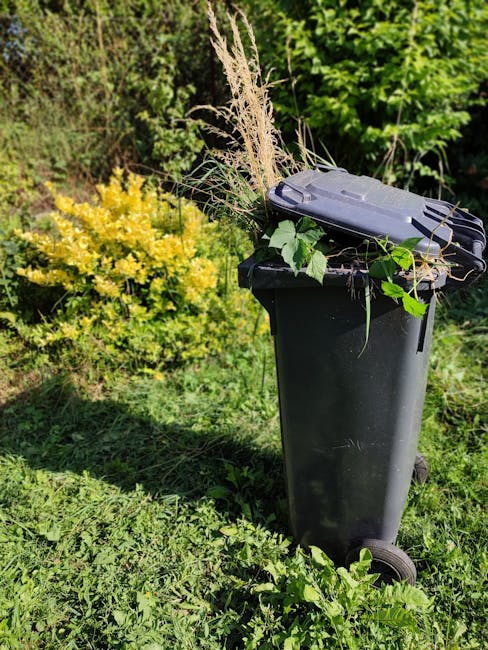
If you live in Hackney and your garden seems to produce green waste faster than you can bag it, you are not alone. One windy weekend, a few hedge clippings, some lawn cuttings, and a pile of prunings can suddenly turn into a very real mess. This Residents guide to Hackney Council garden waste rules breaks down the basics in plain English so you can stay tidy, avoid the usual mistakes, and handle garden waste the right way without making it a weekend headache.
Whether you are trimming a small courtyard, tackling an overgrown back garden, or clearing up after a big seasonal cutback, the rules around garden waste can feel surprisingly fiddly. The good news is that once you understand what counts as garden waste, how to prepare it, and when extra collections or private help make sense, the whole thing becomes much easier.
Below, you will find a practical, local-first explanation of how it all fits together, plus a few sensible shortcuts for busy households. And if your garden project has grown beyond a simple tidy-up, it can help to explore broader support such as garden maintenance or professional gardening services for larger clearances and regular upkeep.
Table of Contents
- Why the garden waste rules matter
- How Hackney garden waste disposal works
- Key benefits and practical advantages
- Who this is for and when it makes sense
- Step-by-step guidance
- Expert tips for better results
- Common mistakes to avoid
- Tools, resources and recommendations
- Law, compliance and best practice
- Options, methods and comparison table
- Case study or real-world example
- Practical checklist
- Conclusion
- Frequently asked questions
Why Residents guide to Hackney Council garden waste rules Matters
Garden waste is one of those household jobs that looks simple until it is not. A few bin bags of grass cuttings can be manageable. A whole pruning session from a hedge, or a clear-out after months of growth, is another story entirely. Knowing the local rules helps you avoid missed collections, overloaded containers, and the annoying cycle of moving the same pile from one corner of the garden to another.
It also matters because garden waste is not the same as general rubbish. In UK local authority systems, green waste is often handled differently from food waste, mixed household waste, or DIY debris. Put the wrong thing in the wrong place, and the collection may be refused. That is frustrating for you, and it is messy for everyone else. To be fair, most people only make that mistake once.
For residents, the main benefit is control. You know what can go out, what needs separating, and when you may need a bigger clear-up plan. For landlords, tenants, and busy families, that clarity saves time. For people doing garden improvements, it avoids those awkward half-finished piles of branches sitting beside the fence for two weeks. Nobody wants that view out the kitchen window.
If your outdoor space needs a more complete reset before waste management even becomes the main issue, a helpful starting point is turning a neglected garden around. Once the garden is back under control, waste handling becomes a lot more manageable.
How Residents guide to Hackney Council garden waste rules Works
In simple terms, Hackney garden waste guidance is about separating green material from other kinds of rubbish and presenting it in a form that can be collected or processed correctly. The exact service arrangements can change, so the safest approach is always to check the most current council instructions before putting anything out. That said, the general process usually follows the same logic.
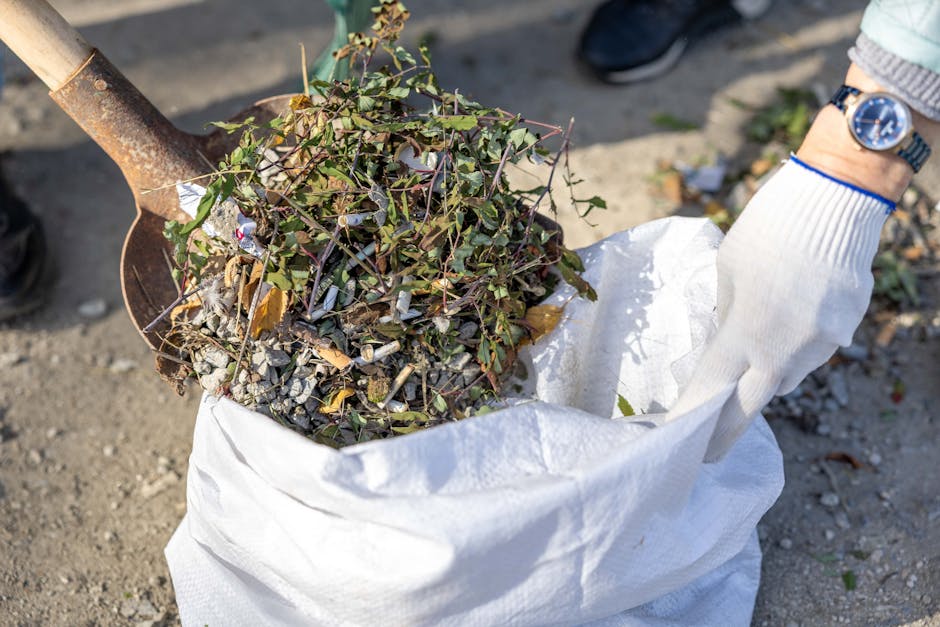
First, identify what counts as garden waste. Typical examples include grass cuttings, leaves, hedge trimmings, small branches, plant pruning, weeds, and other organic material from the garden. Next, make sure the waste is clean and uncontaminated. Soil, rubble, plastic plant pots, food packaging, broken tools, and similar items should not be mixed in.
Second, decide how the waste will be handled. Some households use a council-led collection arrangement if available. Others may rely on home composting for suitable material, or a private garden clearance if the volume is too large. The right choice depends on the amount of waste, how quickly it needs to go, and whether the material is bulky, heavy, or mixed with non-green items.
Third, present the waste properly. In many local systems, that means keeping garden waste loose, bagged, or contained in a specific way rather than dumped in a general refuse bin. If your council provides a designated container or collection format, following it exactly is what keeps the whole thing smooth. Small detail, big difference.
One useful way to think about it is this: the cleaner and more separated your garden waste is, the easier and cheaper it usually is to manage. A mixed pile of branches, turf, old compost bags, and random plastic ties? That is where the trouble starts.
Key Benefits and Practical Advantages
Following the rules is not just about avoiding a rejected bin. It has a few real-world upsides that residents notice quickly.
- Cleaner kerbside presentation: no loose clippings blowing down the street on collection day.
- Fewer missed collections: correct sorting reduces the chance of refusal.
- Better garden hygiene: regular removal stops piles of waste becoming soggy, smelly, or pest-friendly.
- More usable outdoor space: you get your patio, lawn, or borders back sooner.
- More sustainable handling: green waste is best kept separate so it can be treated appropriately.
There is also a maintenance benefit people often overlook. When waste is handled correctly, pruning becomes more routine and less overwhelming. Instead of waiting for a giant autumn clear-up, you can manage the garden in smaller, easier sessions. That makes all the difference in a London home where time and storage space are both precious.
If part of your project includes lawn work, the basics in how to remove ivy from a lawn and practical weed control tips can help reduce the amount of awkward waste you need to deal with in the first place. Less mess at source, less mess to clear later. Simple, really.
Who This Is For and When It Makes Sense
This guidance is useful for almost anyone with even a small outdoor space in Hackney. But certain residents will find it especially valuable.
- Homeowners who prune hedges, mow lawns, or maintain planting beds regularly.
- Renters with gardens who need to understand what they are expected to put out and what should be left to a landlord or agent.
- Families who generate lots of leaves, weeds, and cuttings during spring and autumn.
- Older residents who want a simpler, safer way to keep on top of waste.
- Anyone completing a one-off garden overhaul after neglect, storm damage, or overgrowth.
It also makes sense if you are planning improvements such as new borders, privacy planting, or a more structured design. For example, if you are adding low-maintenance planting, the ideas in budget-friendly garden ideas and growing in pots and containers can reduce future waste and simplify upkeep.
Truth be told, the people who benefit most are usually the ones who assume they do not need help. Then a hedge gets away from them, the bins fill up, and suddenly they are knee-deep in clippings. Been there, more than once.
Step-by-Step Guidance
If you want a clean, stress-free way to deal with garden waste in Hackney, use a simple system rather than improvising each time. Here is the most practical approach.
- Sort the waste at the source. Keep green material separate from general rubbish, broken pots, soil-heavy debris, and anything sharp or treated.
- Remove contamination. Shake off excess soil where possible, take out plastic ties or labels, and keep non-organic items out of the pile.
- Reduce the volume. Cut long branches down to manageable lengths and bundle light material neatly if that suits the collection method.
- Choose the right disposal route. Use the council system if it is available and appropriate, compost suitable waste at home, or arrange a clearance for bigger jobs.
- Store waste sensibly before collection. Keep it dry if possible, and avoid leaving it where wind or rain can spread it around.
- Put it out correctly. Follow any local presentation rules exactly, including timing, container use, and what not to include.
- Review what caused the waste. If you are generating huge amounts every month, it may be time to change pruning habits or set up a better maintenance schedule.
A small seasonal example: after a late-summer hedge trim, many residents end up with more waste than they expected. If the branches are left in a heap for even a couple of days, they start drying out, shedding leaves, and becoming awkward to move. A tidy, same-day clearance is much easier. Those little windows matter.
If you are trimming shrubs, hedges, or trees rather than just grass, it can help to read up on hedge trimming shapes and methods and, where needed, tree surgery support for larger or riskier work.
Expert Tips for Better Results
Small habits make garden waste easier to manage. The difference is usually not dramatic on day one, but it builds up over time.
- Trim little and often. Frequent light pruning creates less waste than one huge cutback. It also keeps plants healthier.
- Compost what you can. Soft garden waste such as leaves and grass cuttings can often be composted, if your setup supports it.
- Dry wet material before handling. Heavy, waterlogged waste is more expensive in effort and more annoying to move. We all know the feeling.
- Separate woody and soft waste. Branches, stems, and clippings behave differently and are easier to manage apart.
- Plan pruning around weather. A calm dry day beats a damp, windy one. Less mess, less slipping, less swearing under your breath.
- Use the right tools. Sharp secateurs, pruning shears, and garden sacks save time and reduce ragged waste.
For urban gardens, vertical or contained planting can also reduce the amount of waste you generate while keeping the space lush. If that is your style, vertical gardening ideas and ground cover planting can help you build a smarter, lower-maintenance layout.
And if you are working with dogs or children in the garden, it is worth planning disposal with them in mind. Loose thorny cuttings and open bags are not ideal when little feet or paws are about. The piece on gardening with dogs in mind is a useful companion read.
Common Mistakes to Avoid
Most garden waste problems come from a handful of repeat mistakes. Avoid these and you are already ahead of the curve.
- Mixing green waste with general rubbish. This is the fastest way to create collection problems.
- Including soil, rubble, or broken hard materials. Heavy inert material usually needs a different route.
- Leaving waste out too early. It can become untidy, soaked through, or scattered.
- Overfilling containers. A packed bin or sack can be awkward, unsafe, or rejected.
- Assuming all plant material is acceptable. Some things, like contaminated or treated material, need more care.
- Forgetting about the weather. Rain changes weight. Wind changes everything.
Another common issue is underestimating the volume created by a single task. Cutting back a hedge seems quick enough. Then the pile appears. Then another pile. Then a few stray branches behind the shed. It sneaks up on you, honestly.
If your waste comes from a full garden reset rather than routine maintenance, consider pairing disposal with a clean-up plan such as restoring an overgrown garden or protecting gardens from storm damage after rough weather.
Tools, Resources and Recommendations
You do not need a shed full of expensive equipment to handle garden waste properly. A few sensible tools make the job far easier.
- Bypass secateurs: best for clean cuts on small stems and pruning.
- Loppers: helpful for thicker branches that secateurs cannot handle.
- Pruning saw: useful for woody stems and heavier cuts.
- Rake and leaf grabber: ideal for lawns, borders, and autumn tidy-ups.
- Heavy-duty sacks or bins: useful for moving material safely.
- Wheelbarrow or garden trug: saves your back on larger jobs.
- Gloves and sturdy shoes: basic, but absolutely worth it.
For bigger maintenance tasks, it can help to combine the right tools with a structured plan. That might mean using lawn care support for turf-heavy gardens, or ongoing garden maintenance to keep waste levels predictable.
There are also some useful planning resources on the site for people who want to improve the garden itself while reducing future waste. A few worth a look: beginner gardening tips, essential gardening tools, and how organic waste can become rich soil.
Law, Compliance, Standards, or Best Practice
Garden waste handling is one of those areas where local rules and general UK waste best practice meet. The safe approach is to treat any council guidance as the main instruction for collection, then follow normal good-practice habits around sorting, cleanliness, and safety.
In practical terms, that means:
- do not contaminate green waste with household rubbish;
- keep sharp, heavy, or hazardous items separate;
- store and present waste in the way the service expects;
- do not block pavements, neighbours' access, or shared spaces;
- avoid fly-tipping or leaving waste where it could be considered abandoned.
If you hire someone to do the work for you, the same common-sense standards apply: clear communication, safe handling, and proper disposal. It is worth asking how waste will be dealt with before work begins, especially for larger clearances. That saves confusion later and keeps everyone on the right side of things.
For jobs involving ladders, chainsaws, heavier branches, or awkward access, the safety side becomes more important. A sensible contractor should be able to explain their process clearly. If you want a glimpse of how a service approach is normally framed, the site's health and safety policy and insurance and safety information are useful pages to review before booking any outdoor work.
Options, Methods, or Comparison Table
There is no one-size-fits-all answer for garden waste. The right method depends on volume, timing, and how mixed the waste is. Here is a straightforward comparison.
| Method | Best for | Pros | Watch out for |
|---|---|---|---|
| Council collection | Routine green waste and small to medium volumes | Convenient, familiar, usually low-hassle when presented correctly | Must follow the exact local rules and accepted materials |
| Home composting | Leaves, grass cuttings, soft prunings, and suitable organic material | Great for reducing waste and improving soil | Not suitable for everything, and takes a bit of management |
| Private garden clearance | Large clear-outs, overgrown gardens, bulky prunings | Fast, flexible, handles bigger jobs | Check what is included and how waste is taken away |
| Reworking the garden design | Repeated waste problems from high-maintenance planting | Can cut future waste and reduce effort | Needs upfront planning, but often worth it |
A lot of residents end up using a mix of these. That is normal. A bit of composting here, a council collection there, and a one-off clearance after the hedge gets ambitious. Nothing wrong with that at all.
Case Study or Real-World Example
Here is a realistic scenario from an ordinary Hackney-style garden: a narrow terrace garden with a small lawn, two borders, and a hedge running along the back fence. The owner lets the garden go for a few months through winter. By early spring, there are wet leaves, old stems, a patch of ivy, and several bags of clippings from one big tidy-up session.
At first, the instinct is to just bundle everything together and hope for the best. That usually causes problems. The better approach is to split the waste into categories: soft green waste for composting or collection, woody trimmings for bundling or a separate disposal route, and non-organic bits like ties, broken pots, or plastic plant labels for general waste.
Once that is done, the owner prunes the hedge in stages rather than all at once, keeps the lawn cuttings lighter by mowing more often, and shifts to a simple monthly maintenance rhythm. The result is less waste each time, easier handling, and far fewer bin-day dramas. The garden also looks better. No surprise there.
If the same garden needed more structural help, a service such as landscaping could help reshape the space, while fencing support might improve privacy and reduce debris drifting in from next door. Sometimes the tidy-up is only half the story.
Practical Checklist
Before you put any garden waste out, run through this quick checklist. It saves time, and honestly, it saves embarrassment too.
- Have I separated green waste from general rubbish?
- Have I removed soil, plastic, ties, stones, and broken hard materials?
- Is the waste cut down to a manageable size?
- Do I know whether this material can be composted, collected, or needs a different route?
- Am I following the latest Hackney collection guidance?
- Have I avoided overfilling sacks or containers?
- Will the waste stay secure if the weather changes?
- Have I made sure it will not block paths or create a nuisance?
- If the job is large, do I need extra help or a one-off clearance?
Quick expert summary: the best garden waste routine is usually the simplest one. Keep it clean, separate, and regular. Smaller jobs are easier to manage than huge seasonal clear-outs, and the garden stays calmer for it. That is the bit many people learn the hard way, but you do not have to.
Get a free quote today and see how much you can save.
Conclusion
Hackney garden waste does not need to become a recurring nuisance. Once you know what belongs in the green waste stream, what needs separating, and how to avoid the usual pitfalls, the whole process becomes straightforward. Better still, it encourages tidier gardens, smarter maintenance, and fewer last-minute scrambles before collection day.
For residents, the real win is peace of mind. You know the pile by the shed is manageable. You know what to do after a hedge trim or a lawn cut. And you know when a bigger job deserves a proper plan rather than a rushed guess. That kind of confidence is worth a lot, especially when your time is already spoken for.
If your garden is getting ahead of you, start small. One border, one hedge, one bag at a time. It all adds up, and the fresh air helps more than you might think.
Frequently Asked Questions
What counts as garden waste in Hackney?
In general, garden waste includes grass cuttings, leaves, hedge trimmings, weeds, plant cuttings, and small branches. It usually does not include rubble, plastics, broken pots, or general household rubbish.
Can I put soil in garden waste collections?
Soil is often treated differently from light green waste because it is heavy and can affect how collections are handled. It is best to check the current local guidance before putting it out.
Do I need to bag garden waste?
That depends on the collection method being used. Some systems accept loose material or specific containers, while others have stricter presentation rules. Follow the current instructions exactly.
Can I compost my garden waste instead of using a collection?
Yes, for suitable material. Leaves, grass cuttings, and soft plant matter are often good compost ingredients. Woody material, diseased plants, or contaminated waste may need another route.
What happens if I mix household rubbish with garden waste?
The collection may be refused, or the waste may be treated as contaminated. It is best to keep green waste separate from everything else from the start.
How do I handle large hedge cuttings?
Cut them down to manageable lengths, remove non-organic ties or supports, and check whether the collection method accepts them. For bigger jobs, a garden clearance service may be easier.
Is there a difference between grass cuttings and branches?
Yes. Grass cuttings are soft and compactible, while branches are woody and bulkier. They are often better handled separately, especially if you are composting or preparing collections.
Can I leave garden waste on the pavement until collection day?
Only if it is presented in line with the collection rules and does not block access or cause a hazard. If in doubt, store it on your property and put it out at the correct time.
What is the easiest way to reduce garden waste?
Prune regularly, mow little and often, compost suitable material, and choose lower-maintenance planting where possible. A garden that is well designed usually creates less waste in the first place.
When should I hire help instead of handling it myself?
If the waste is bulky, mixed, heavy, or produced by a large clearance, hiring help can save time and reduce strain. It is also sensible where ladders, tall hedges, or awkward access are involved.
Are there any safety issues with garden waste?
Yes. Wet piles can be slippery, branches can be sharp, and heavy bags can strain your back. Gloves, sensible footwear, and good lifting habits make a real difference.
How often should I clear garden waste?
Ideally, little and often. Regular small clear-ups are usually easier than one huge seasonal job, and they help keep the garden healthy and pleasant to use.
For bigger garden jobs, seasonal tidy-ups, or a more regular maintenance plan, you can also explore about us and contact us to see how support can be arranged. A tidy garden never feels wasted, if you know what I mean.